

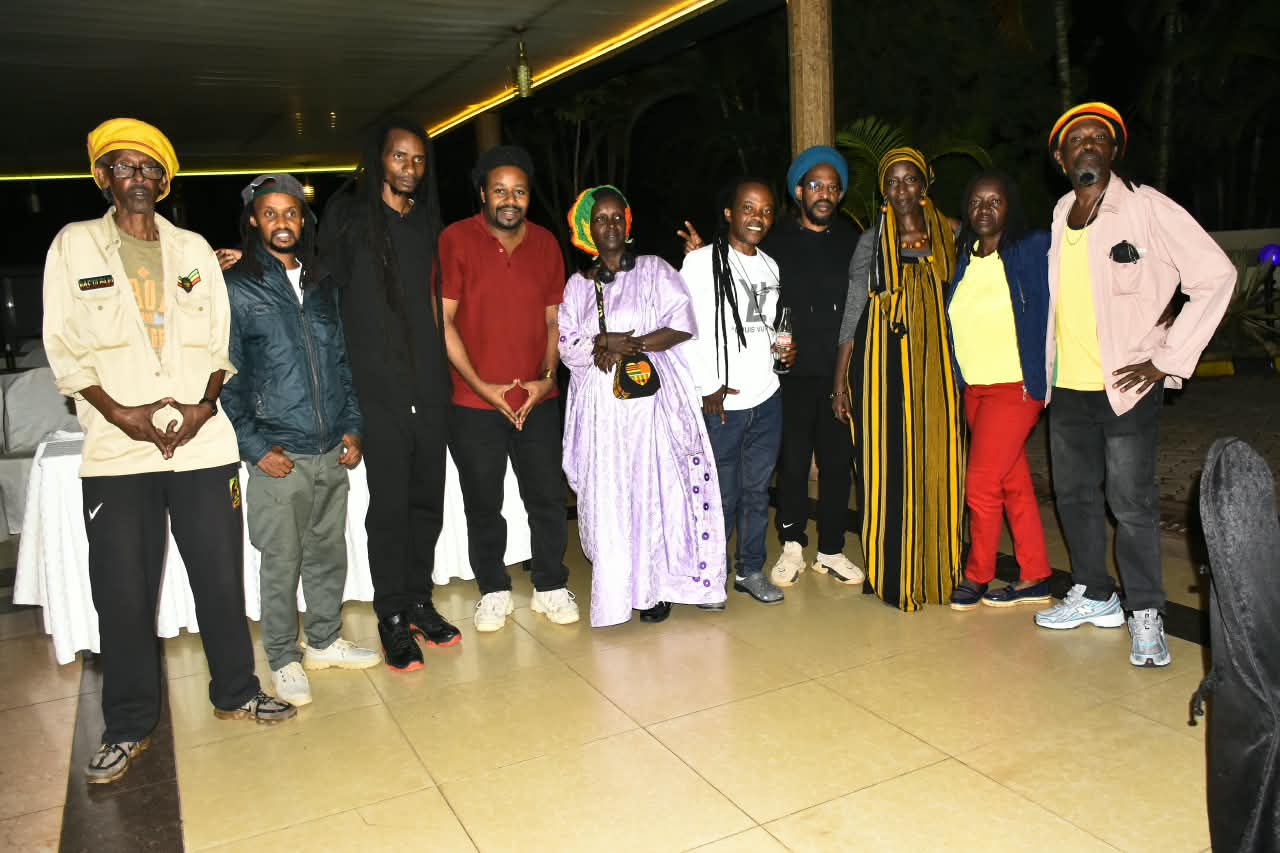
The concert, held on October 18, brought together reggae lovers who sang along to some of his best-known songs, many of which carry messages of peace, love, African unity and resistance to discrimination.
Organised by Holly Jah Doves Ltd, the event was not only a celebration of Lucky Dube’s music but also a reminder of the values he stood for and the importance of keeping his message alive.
For some fans, his death did not mean the end of his influence. Instead, they say his songs continue to speak to the challenges facing society today.
Tuyishime Jean Chrisostome, who attended the concert, said the gathering was an opportunity to celebrate a musician whose message remains relevant.
“We came to sing, dance and celebrate Lucky Dube. We are happy to remember him because he left us a message of peace and love. We must protect his legacy and encourage people to leave behind bad things and do what is right,” he said.
Mukandahinyuka Gaudiose, popularly known as Mama Hub, said Lucky Dube remains part of her daily life through the music he left behind.
“I do not remember him only on October 18. I remember him every day because a hero never dies. Lucky Dube left many songs encouraging Africans to stand together and fight discrimination and injustice,” she said.
She added that his music should remind people to embrace peace and avoid conflicts that divide communities.
The evening featured some of Lucky Dube’s most popular songs, including Remember Me, Together as One, Back to My Roots and Slave. Fans also enjoyed reggae classics by other legends, including Bob Marley, as well as Kinyarwanda songs performed in the reggae style.
Holly Jah Doves Band, Mystic Revelation Band and several individual artists took turns entertaining the audience, turning the tribute into a celebration of reggae music and its enduring influence.
Lucky Dube was shot dead on October 18, 2007, in Rosettenville, Johannesburg, during an attempted carjacking. He was with two of his children when the attack occurred.
The South African musician became one of Africa’s best-known reggae artists, using his music to address racism, inequality, injustice and the need for unity among Africans.
Nineteen years after his death, his songs continue to bring people together, reminding fans in Kigali and beyond that music can be more than entertainment — it can also be a powerful voice for change.