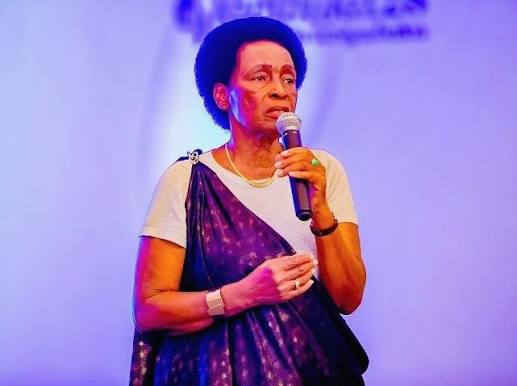


Nyiranyamibwa was widely known for songs that celebrated Rwanda’s culture and expressed the pain of the 1994 Genocide against the Tutsi. Her best-known works include “Ese Mbaze Nde”, “Ndavunyisha”, “Nkumbuye Iwacu”, “Nimuberwe Bakobwa”, “Ituze” and “Telefone”.
Among her most memorable songs was “Ese Mbaze Nde”, released in 1996. The song became a powerful expression of the grief, loss and trauma endured by genocide survivors, giving voice to emotions that many found difficult to put into words.
The song was deeply connected to Nyiranyamibwa’s own memories of the tragedy. Through her music, she helped keep the memory of the genocide alive while offering a way for survivors and other Rwandans to reflect on their painful experiences.
Her life was also shaped by Rwanda’s turbulent history. In 1973, she left the country amid persecution and violence targeting Tutsi. She first settled in the Democratic Republic of Congo before moving to Belgium, where she remained connected to Rwandan culture and communities living abroad.
While in Belgium, she helped establish Itorero Isamaza, a cultural troupe founded about 35 years ago. The group brought women and young people together through traditional dance and performances. It also helped mobilise support for the Rwandan Patriotic Army during its struggle to liberate the country.
After spending more than four decades abroad, Nyiranyamibwa returned to Rwanda in December 2016 to make it her home again.
Her music was not limited to patriotism and remembrance. She also used it to promote love, unity and a sense of responsibility towards others.
At a gathering of artists and government representatives in 2024, she encouraged young people to put humanity before personal interests, stressing that love is best demonstrated through caring for others.
Her songs have continued to resonate with younger generations of musicians. In 2025, singer Ruti Joël revisited “Ese Mbaze Nde” during the genocide remembrance period, describing it as a moving account of the tragedy and its lasting impact.
Nyiranyamibwa leaves behind a body of work that reflects Rwanda’s cultural heritage, painful history and journey towards healing. Through her songs, she helped preserve memories of the past while passing a message of patriotism, unity and humanity to future generations.