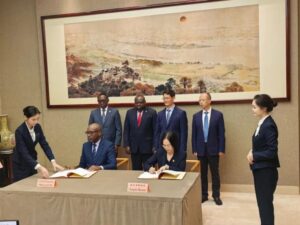


Environment Minister Dr Bernadette Arakwiye, who chairs the board overseeing the country’s carbon market, made the remarks on Friday during a meeting in Kigali attended by government officials, development partners, board members and private sector representatives.
The meeting focused on how stronger cooperation could help the carbon market deliver greater benefits to Rwanda and its people.
Dr Arakwiye said the success of the market depends on different sectors working together, rather than leaving the responsibility to one institution.
“The carbon market is linked to energy, agriculture, forestry, transport, industry, finance, investment and international cooperation. No single institution can manage this programme alone,” she said.
She explained that the board is expected to provide overall direction, bring institutions together and ensure accountability. Its role is also to make sure carbon market projects contribute to Rwanda’s development, rather than directly managing individual projects or taking over the technical responsibilities of other institutions.
How does the carbon market work?
A carbon market allows businesses and other organisations to buy and sell carbon credits. These credits represent verified reductions in greenhouse gas emissions or the removal of carbon dioxide from the atmosphere.
One carbon credit generally represents one metric tonne of carbon dioxide equivalent (CO₂e) reduced or removed, provided the activity meets the relevant measurement and verification standards.
Companies and other organisations can buy the credits to support climate action, while developers of qualifying projects can earn money by selling them.
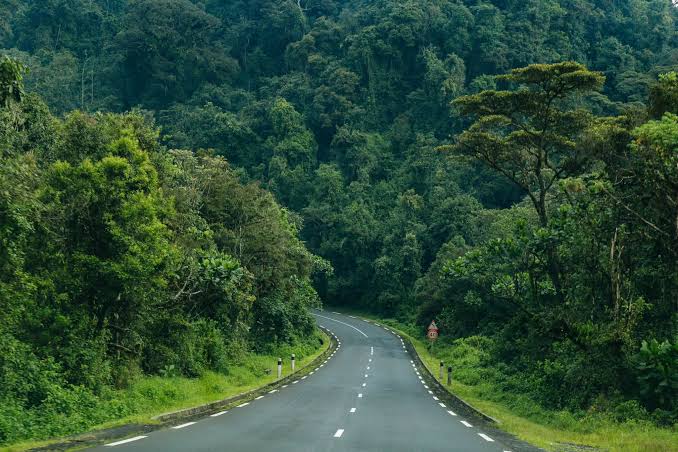
Projects may include protecting forests, investing in renewable energy and introducing other measures that reduce greenhouse gas emissions.
For Rwanda, the goal is to ensure that these activities do more than help tackle climate change. With effective oversight and cooperation, the carbon market could also attract investment, create economic opportunities and support communities while protecting the country’s natural resources and biodiversity.