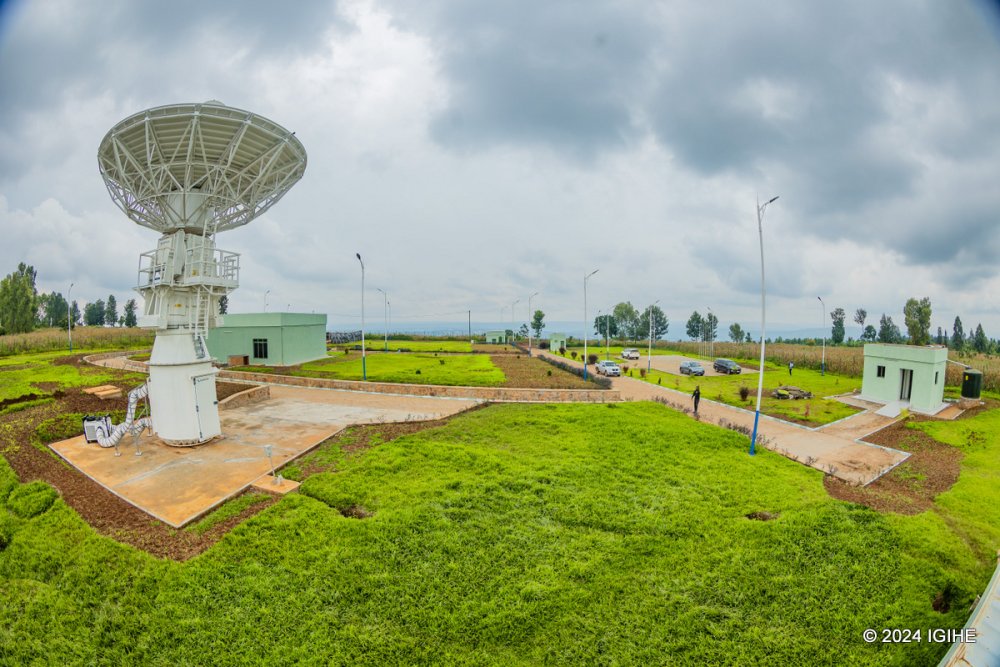


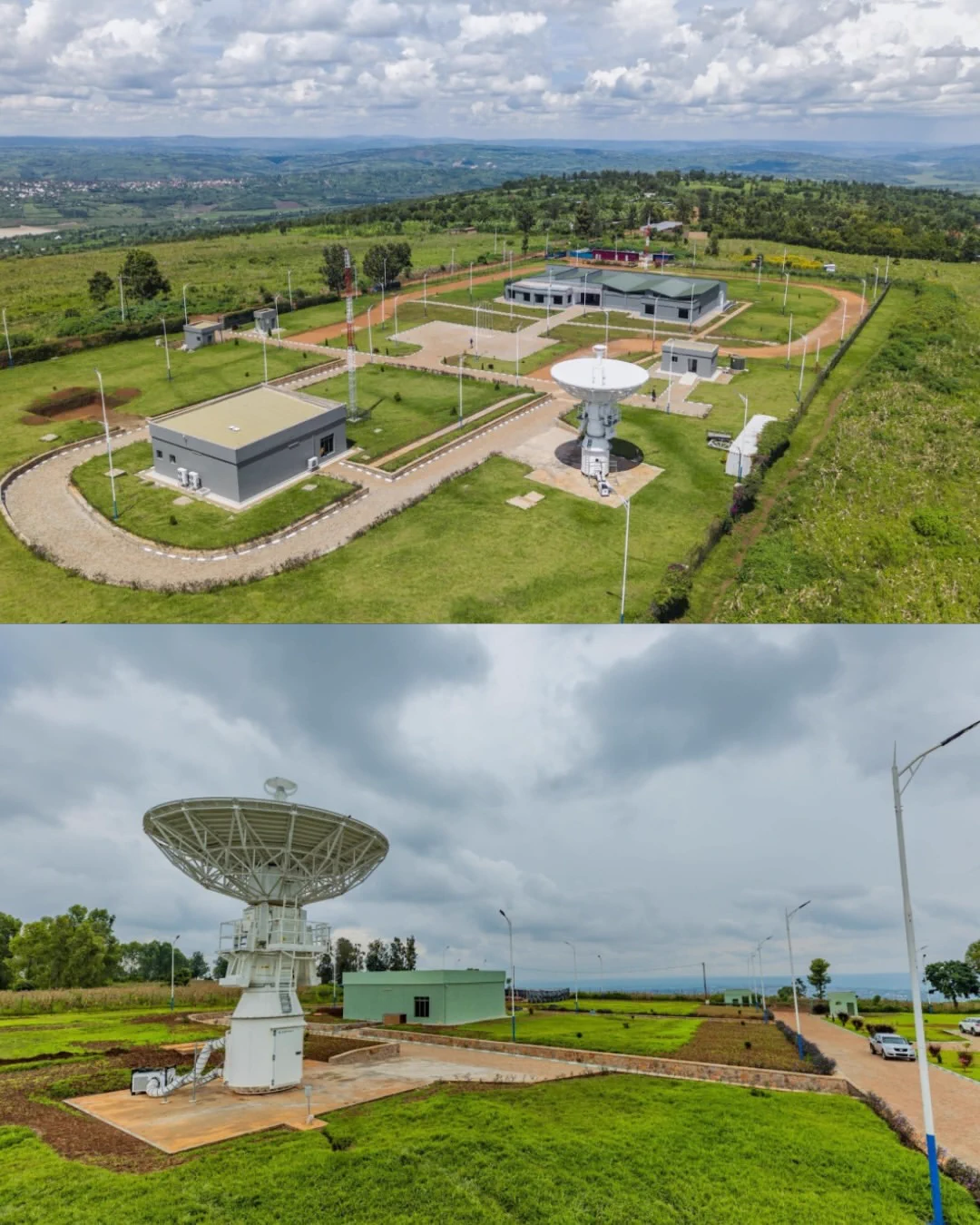
The new antenna, operated by U.S. satellite company York Space Systems in partnership with ATLAS Space Operations, became operational on Sept. 18, according to the companies.
The facility, known as a teleport, is operated by the Rwanda Space Agency (RSA) and is designed to receive data from satellites in orbit. Satellites rely on such ground infrastructure to send data back to Earth and maintain communications with operators.
With the addition of the new antenna, the Rwamagana teleport can now communicate with two satellites at the same time, effectively doubling its capacity and strengthening its ability to serve satellites operating in or near equatorial orbits.
The first antenna at the facility began operating in July 2025 under a partnership with ATLAS Space Operations. The second was installed through the same partnership.
The Rwamagana site has also gained international recognition. In June 2026, the World Teleport Association (WTA) awarded it Tier 3 certification, placing it among the highest-rated teleport facilities in Africa.
Rwanda became the only country in sub-Saharan Africa with a teleport holding the certification, and the second in Africa after Egypt, according to the information provided. It also became the first government-operated teleport in the world to receive the certification.
The certification reflects the facility’s ability to provide reliable satellite communications services around the clock.
The choice of Rwamagana was partly influenced by its location. The teleport sits about two degrees south of the equator at an altitude of 1,668 metres, giving its antennas a clear view of satellites passing overhead.
Its proximity to the equator is particularly useful for communicating with low-inclination satellites, which can be difficult for ground stations located farther from the equator to reach.
The location also offers opportunities to support satellites operating in medium-inclination orbits.
The new antenna was completed early this year, shipped to Rwanda in May and installed at the teleport in August before becoming operational in September.
During testing, it completed more than 350 scheduled communication sessions with a reported 100% success rate and no technical failures.
The 3.7-metre antenna is designed only to receive satellite data. Mounted on a dual-axis system, it can move both horizontally and vertically, allowing it to track satellites as they move across the sky.
The expansion comes as Rwanda seeks to strengthen its role in the growing African space sector by providing ground-based infrastructure for companies operating satellites in orbit.