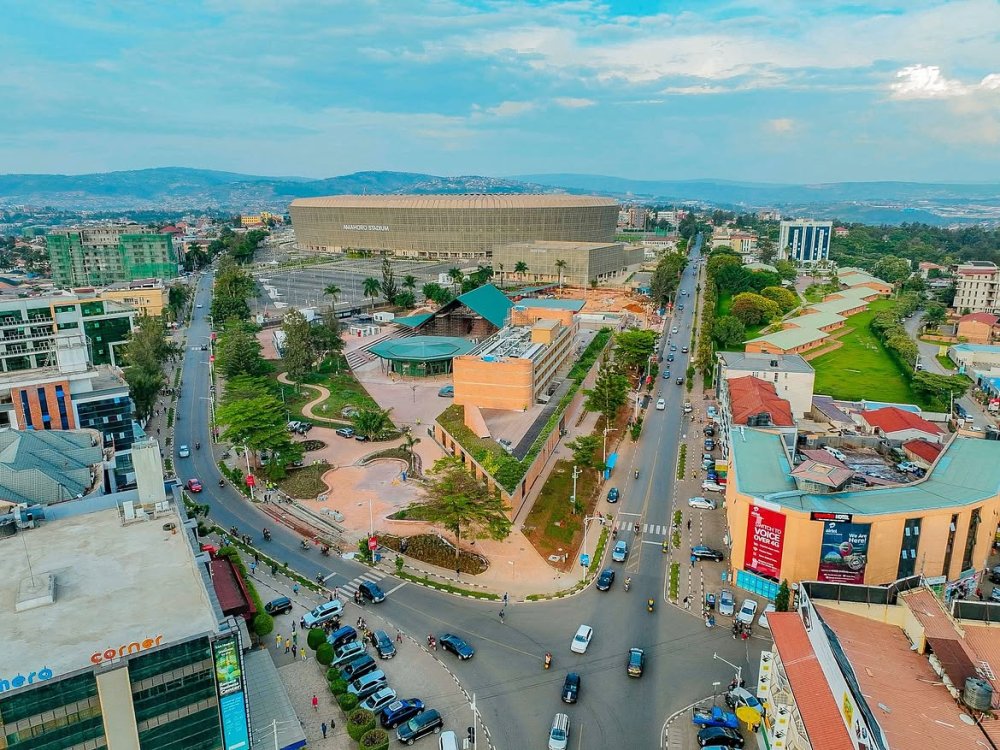


The arena will be part of a wider 38.14 billion Kenyan shilling ($294.49 million) mixed-use project known as Nairobi Railway City, which will bring together sports, entertainment, shopping, offices, hospitality and other commercial activities on about 172 hectares of land.
The project is being developed by Zaria Group, a company co-founded by basketball executive Masai Ujiri, together with Helios Sports & Entertainment Group.
For Nairobi, the idea goes beyond building another sports venue. The developers want the arena to become a magnet for concerts, sporting events, conferences and exhibitions, helping the Kenyan capital attract more international visitors and business.
The concept draws inspiration from Rwanda’s approach to sports infrastructure, particularly the role that venues such as BK Arena have played in Kigali’s growing entertainment and events industry.
Zaria Group already has a presence in Kigali through Zaria Court Kigali, located near BK Arena and Amahoro Stadium. The company is seeking to bring a similar mix of sports, entertainment and commercial activity to Nairobi.
The proposed arena is expected to host basketball and other sporting competitions, as well as concerts, exhibitions, conferences and cultural events.
Around it, the wider development is planned to include hospitality, retail and office space, restaurants, public areas and other facilities designed to keep the area active beyond major events.
The strategy reflects a growing interest across African cities in using sports and entertainment venues to stimulate business and tourism rather than treating them as standalone infrastructure.
For Nairobi, the railway station location is central to that ambition. The developers see the arena and surrounding commercial district as an anchor that could bring more visitors and investment into an area undergoing a major transformation.
The 38.14 billion shillings is for the wider Railway City development and not the arena alone.
The project is expected to rely largely on private investors, including African investors, rather than being financed solely through government funding.
If completed as planned, the arena would add another major venue to Nairobi’s growing events industry while giving the city a new focal point for sports, entertainment and business.
For Kigali, the project offers an example of how a sports arena can become part of a much larger urban and tourism strategy. Nairobi now wants to see whether a similar model can work on a bigger scale in Kenya’s capital.