

On half a hectare in Rwanda’s eastern Kirehe district, Tugirinshuti planted 12 kg of RHM 1407 maize seed. He expected to harvest about 3.5 tonnes.
He got 1.2 tonnes.
On another plot, he planted 8 kg of RHM 1409 on about 42 acres, expecting around 2.5 tonnes. The harvest was just 800 kg.
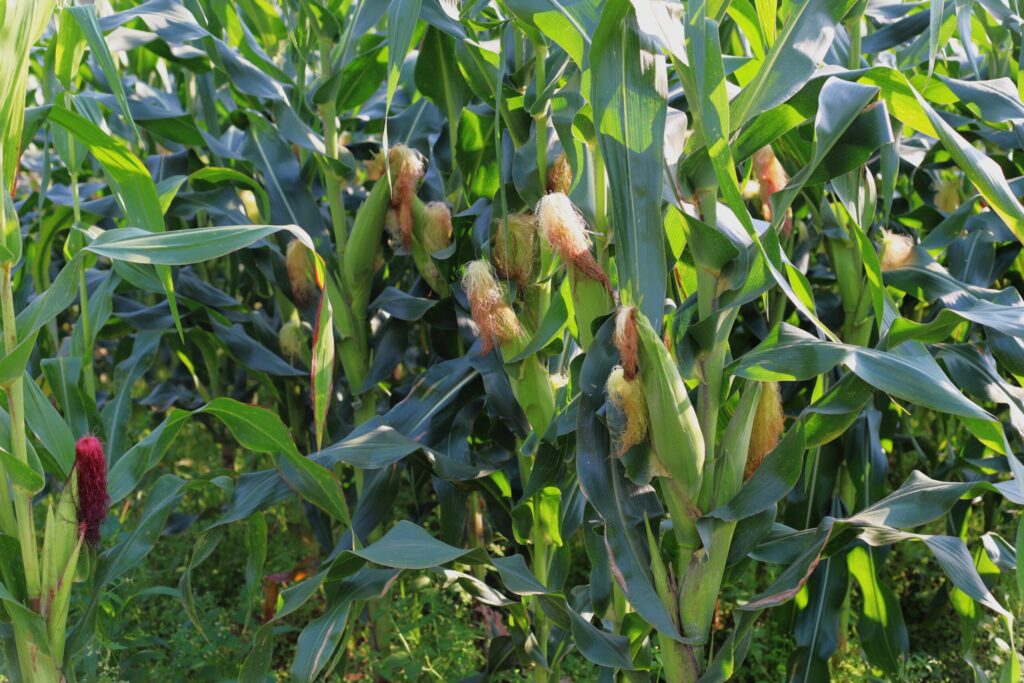
Tugirinshuti, who heads the Federation of Maize Farmers’ Cooperatives, said the problems did not end with low yields. He said some plants developed rotting leaves and the maize deteriorated during drying instead of drying normally.
For him, the experience has raised a familiar question among farmers: can they trust the seeds they buy?
“Sometimes, when seeds are not properly researched, they fail to germinate. Even when they germinate, they may fail to produce as expected or eventually rot,” Tugirinshuti said.
The concerns are being echoed by farmers and private-sector players who say poorly performing seeds can quickly turn a season of hard work into a financial loss.
Farmers must pay for seed, land preparation, labour and other inputs before they know whether a particular variety will perform as promised. When yields fall short, recovering those costs can become difficult.
Rwanda’s seed law provides for the examination and registration of crop varieties and sets requirements for seed production, processing, inspection, testing and certification.
Farmers and industry players say stronger implementation of those rules could help reduce problems with poor germination, disappointing yields and varieties that struggle under local conditions.
But for Tugirinshuti, regulation alone is not enough. The real test, he said, is what happens when the seed reaches a farmer’s field.
Seed prices also vary widely. Some maize varieties cost about 800 Rwandan francs ($0.55) per kg, while varieties such as WH 403 and WH 507 can sell for around 2,000 francs per kg.
Yet some farmers are prepared to pay the higher price, Tugirinshuti said, because they believe the more expensive varieties offer a better chance of a reliable harvest.
For farmers whose livelihoods depend on what grows in their fields, the difference between a good seed and a poor one can mean much more than the price printed on the packet.