

Now, he says, his days look different.
“I would wake up and first go to a bar to drink ‘ibyuma’. Since I had not eaten, the alcohol would quickly affect me, and I would give up on looking for casual work,” Nsabimana told Imvaho Nshya.
“I would drink throughout the day and return home at night, causing problems in my family.”
Nsabimana is among residents of Huye district who say a crackdown on substandard alcoholic drinks has helped them spend more time working and less time drinking.
He said his dependence had become so strong that even when he had some money, he would use it to buy alcohol instead of food.
“Once someone drank ‘ibyuma’, they no longer had the sense to go and look for a living. Instead, they would spend whatever little money they had on alcohol,” he said.
For Rurangwa, the effects were also physical.
The casual labourer said heavy drinking, often without eating, had left him weak and struggling to perform the manual work that supported him.
“Because I drank without eating, I had become weak and would struggle to walk even when I had not been drinking,” he said.
“I normally work as a casual labourer, but the work had become too difficult because I had no strength.”
He says he can now eat more regularly and has regained enough strength to do work that had previously become difficult.
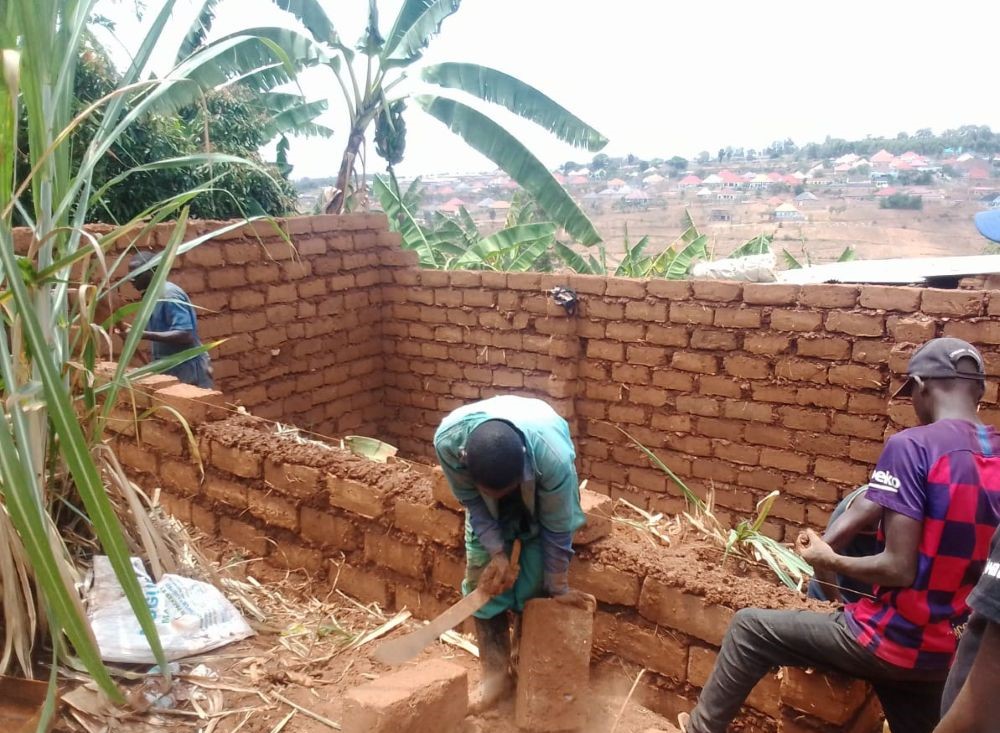
“Now I have time to eat, and I can even lift bricks again. That had become impossible for me,” Rurangwa said.
The changes are also being noticed by local authorities.
Andrée Kamana, Huye district’s deputy mayor in charge of economic development, said authorities had seen fewer people spending working hours drinking in bars since the drinks were targeted.
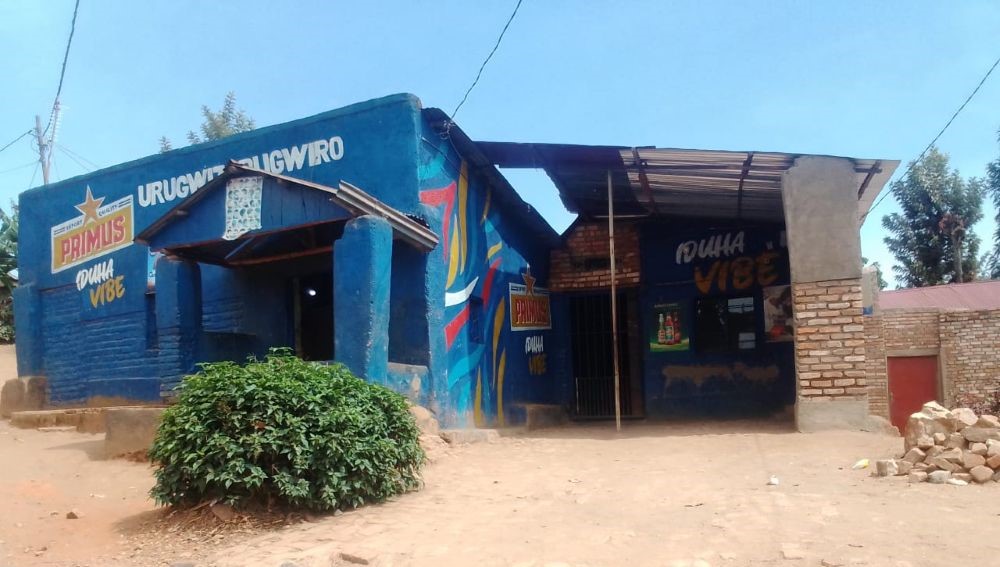
“In the morning, you would pass by bars and find people drinking even though it was working time,” Kamana said. “Now, when you pass by, you no longer find people sitting there. It means they have gone to work to earn a living.”
Kamana said the district expected the change to contribute to better household livelihoods and help residents move out of poverty.
She also said authorities had observed improvements in public safety and a decline in crime since the crackdown began.
For residents such as Nsabimana and Rurangwa, however, the most immediate change is much more personal: having enough time and strength to work, eat and support their families.