

The Rwanda Revenue Authority (RRA) collected 3.956 trillion Rwandan francs ($3.0 billion) in taxes in the year ended June, up 27.7% from the previous financial year and above its target of 3.795 trillion francs.
RRA Commissioner General Ronald Niwenshuti attributed the increase to economic growth, improved tax collection systems, greater use of technology and growing awareness among taxpayers about their obligations.
But he said Rwanda still wants to reach a point where domestic taxes can cover the country’s entire budget.
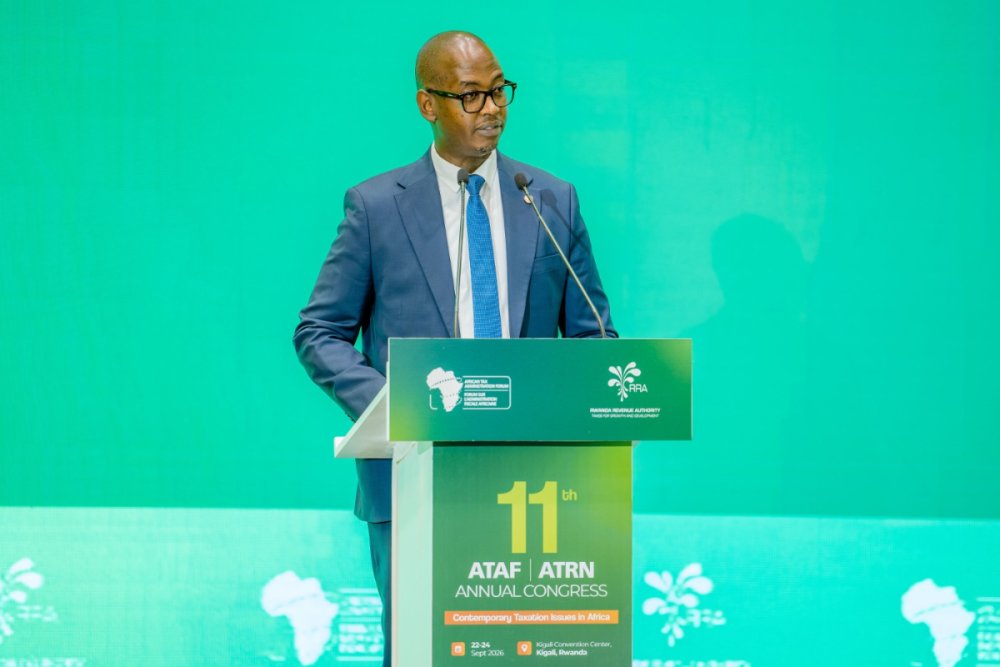
“The first gap is that we are not yet able to finance ourselves through taxes as a country. We should be able to finance 100% of our budget through taxes,” Niwenshuti said on Sept. 22 at the 11th African Tax Research Network (ATRN) conference in Kigali.
Rwanda’s 2026/27 budget is valued at 7.796 trillion francs. Domestic resources are expected to contribute 5.274 trillion francs, including 4.429 trillion francs in tax revenue.
That means taxes are expected to cover about 68% of the total budget, with the remainder coming from other domestic sources and external financing.
Niwenshuti said Rwanda could raise more tax revenue without necessarily increasing tax rates, by learning from research and from countries that have made progress in mobilising domestic resources.
“There are solutions that could enable us to finance ourselves through taxes without increasing them,” he said, pointing to research being presented at the conference.
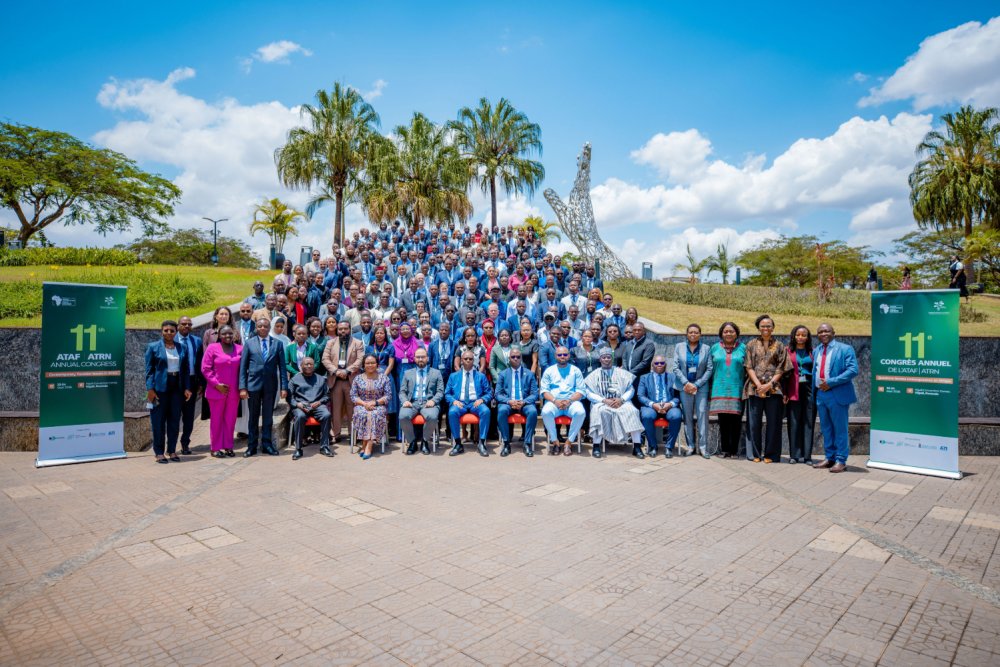
The three-day ATRN conference, organised by the African Tax Administration Forum (ATAF) in partnership with RRA, has brought together tax researchers, government officials, policymakers, academics and development partners.
The conference is being held under the theme “Addressing Key Challenges in Tax Collection in Africa.”
Niwenshuti said other African countries could also draw lessons from Rwanda’s experience, particularly its use of technology to improve tax administration and compliance.
Rwanda has increasingly turned to digital systems, including electronic billing machines, as it seeks to improve tax compliance and reduce its dependence on external financing.
Finance and Economic Planning Minister Yusuf Murangwa said tax policies should be built on evidence and research rather than decisions made without sufficient data.
“Tax laws should be based on solid research conducted by experts rather than decisions that are not based on such research,” Murangwa said.
He said evidence-based tax policies could help governments increase revenue while ensuring that public funds are directed towards national development priorities.
Prof. Annet Oguttu, chair of the ATRN advisory council, said the growing involvement of researchers reflected the need for stronger evidence to guide tax policy across Africa.
Research papers on taxation in Africa have quadrupled over the past four years, rising from 48 in 2022 to 190 in 2026, she said.