
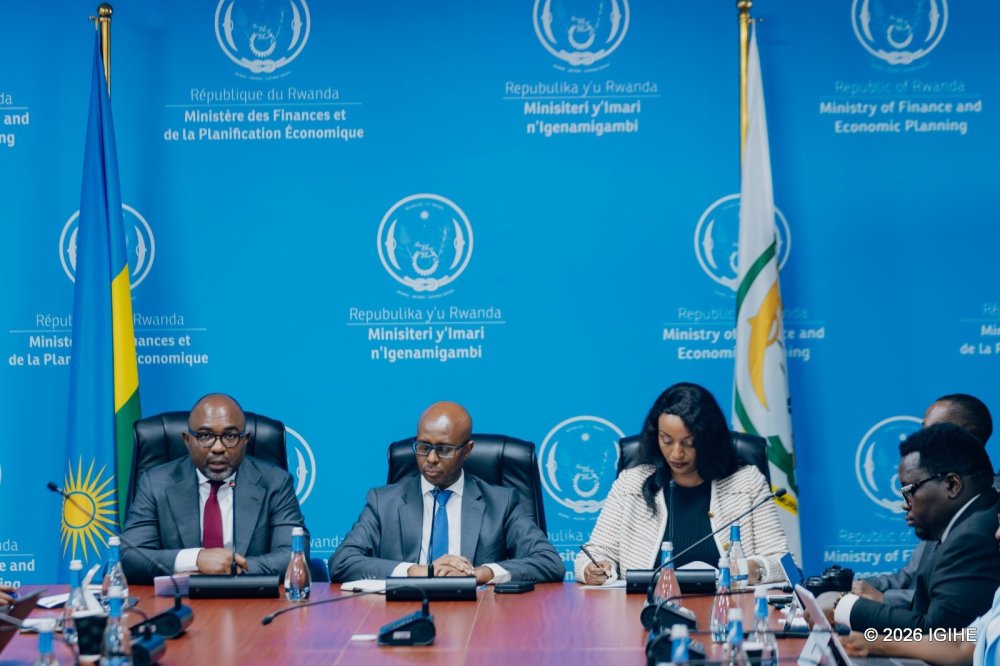
The announcement was made on Tuesday after the IMF completed its first review of Rwanda’s programme. The review followed discussions held between September 23 and October 6.
The funding still needs final approval from the IMF’s Executive Board, which is expected to consider the request in December. If approved, Rwanda will receive the $35.7 million to support its economic programmes.
The IMF says Rwanda’s economy has continued to perform well despite challenges in the global economy.
The economy grew by 9.7 percent in the first quarter of 2026. Strong exports and money sent home by Rwandans living abroad also helped reduce the gap between the country’s imports and exports.
But rising prices remain a concern.
Inflation reached 15.7 percent in August, significantly higher than the 5 percent target set by the National Bank of Rwanda.
The IMF also says Rwanda’s budget deficit fell to 4.8 percent of GDP in the 2025–2026 financial year. It is, however, calling on the government to increase domestic revenue and carefully select major projects that depend on foreign borrowing.
Finance and Economic Planning Minister Yussuf Murangwa says Rwanda does not plan to rely mainly on higher taxes to repay its loans.
Instead, he says, the government wants to invest borrowed money in projects that can generate income and contribute to economic growth.
According to Murangwa, about 90 percent of Rwanda’s loans are concessional, meaning they come with very low or zero interest rates. Some have a grace period of about 10 years and can be repaid over 30 to 40 years.
The remaining 10 percent consists of semi-concessional loans, which usually carry interest rates of between 1 and 2 percent.
Murangwa says the government generally avoids loans with interest rates above 2.5 percent and uses such borrowing mainly for projects that can start generating revenue within a few years.
He gave the example of an airport project.
If the government borrows at around 2 percent interest and does not have to begin repayment for three to five years, Murangwa says, the project could be completed during that period and begin generating revenue that could then help repay the loan.