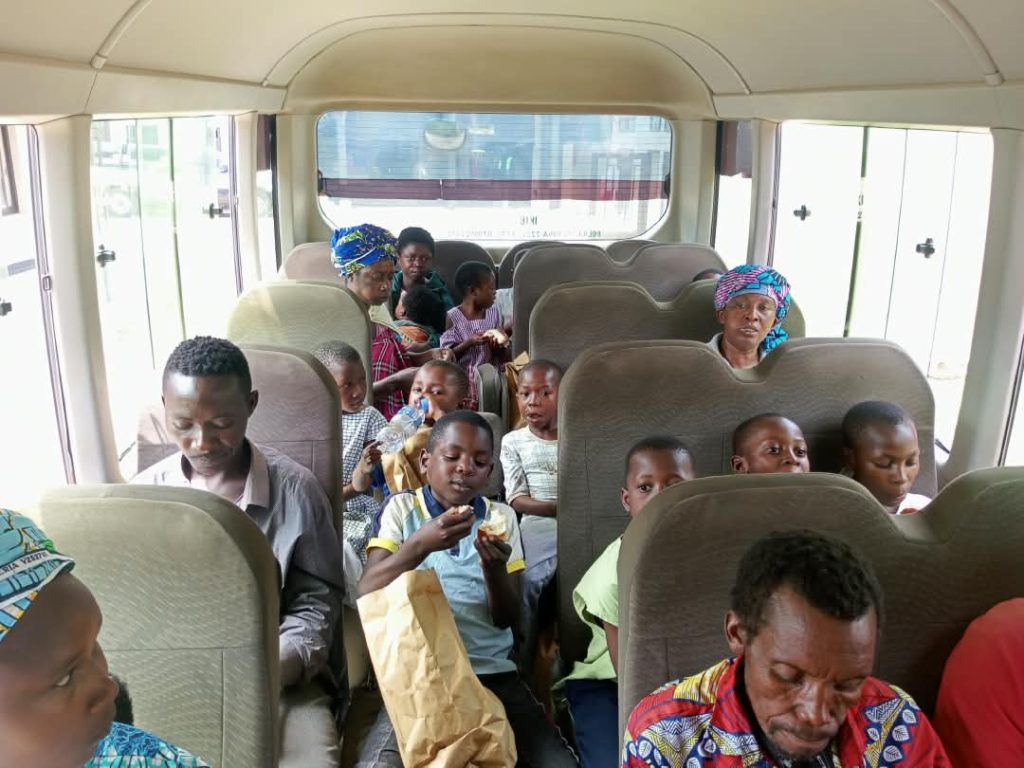


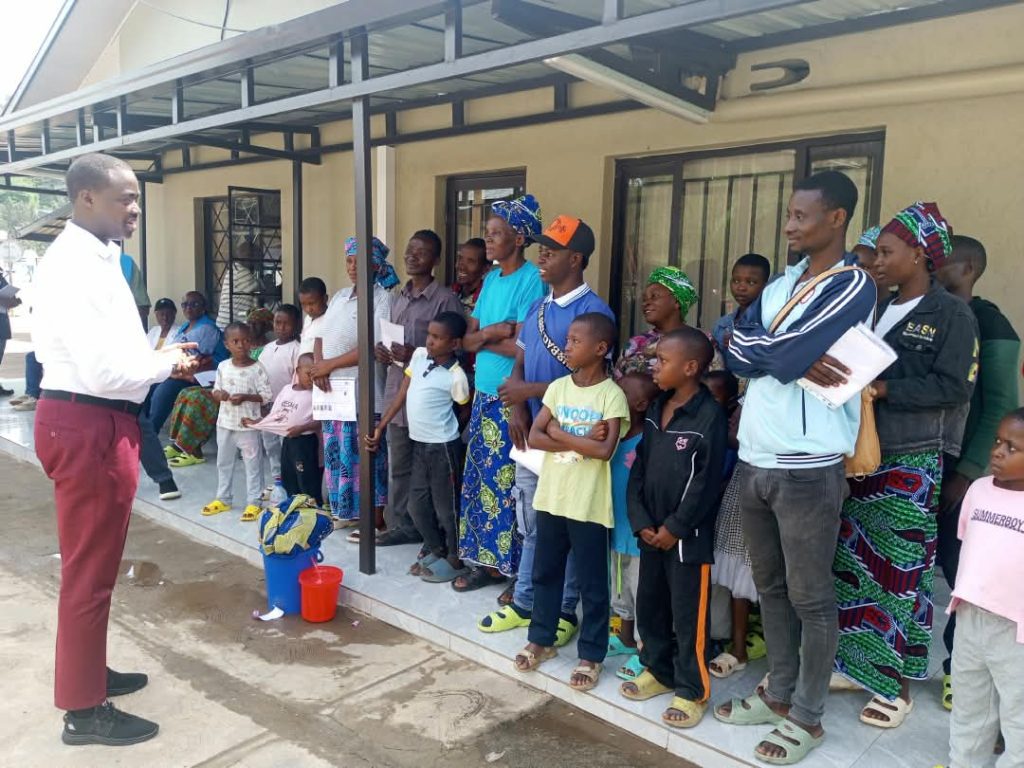
Of those who returned, 194 crossed through the Grande Barrière border post, also known as La Corniche, in Rubavu District. Another 34 entered through the Rusizi I border post, while 23 crossed at Kamanyola in Bugarama Sector, Rusizi District.
For many of the returnees, life in the DRC had become a daily struggle. They described repeatedly fleeing fighting, struggling to find enough food and watching their children miss out on education.
Now back in Rwanda, many said they were relieved to be safe and hoped to rebuild their lives.
Sekanshize Dancile, who had been living in Minova, said the constant fighting had made it difficult for her family to live a normal life.
“We were living in Minova, but we had no peace because life was difficult. We spent our days running away from the fighting,” she said.
She added that the hardship had taken a toll on children, some of whom were not eating properly or attending school.
“We are happy to have finally arrived home,” she said.
Mico Vincent Ally also spoke of the difficulties they faced, saying members of the Mai-Mai armed group repeatedly disrupted their lives and took crops they had worked hard to grow.
“Life was very difficult. The Mai-Mai came and harassed us, taking the crops we had planted, and we were forced to flee,” he said.
Ally said they had recently received information from UNHCR personnel about conditions in Rwanda, which encouraged them to return.
“We used to receive bad information, but now we have come and found things are different. You would think this is Europe,” he said.
A fresh start in Rwanda
For some returnees, coming home means an opportunity to reconnect with their roots and build a more stable future.
Baraturukundo Pascal, 28, said that although he was born in the DRC, he was ready to begin a new chapter in Rwanda. He said his father, with whom he had lost contact, had told him their family came from Giti, in Byumba, Gicumbi District.
“I am 28 years old. I was born there, but my father told me he was from Giti in Byumba, Gicumbi District. I am ready to work with others and improve my life while I am still young,” he said.
Rwiririza Fred, executive secretary of Rusizi District, welcomed some of the returnees at the Rusizi I border post and encouraged them to work with local communities as they settled back into the country.
He urged them to seek guidance whenever they faced challenges and to make sure their children returned to school.
“Rwandans are hardworking people. Many of them are still young, so they should work and find ways to improve their lives. If there is anything they do not understand, they should ask others or come to us for guidance,” he said.
He added that the returnees should see themselves as part of the country’s development and take steps to improve their livelihoods.
All 251 returnees were taken to the Nyarushishi temporary transit camp, where they will receive civic education and other necessary assistance before being reunited with their families.
For those who spent years facing insecurity and uncertainty, returning home marks the beginning of a new effort to rebuild their lives and secure a better future for their families.